November 3, 2026
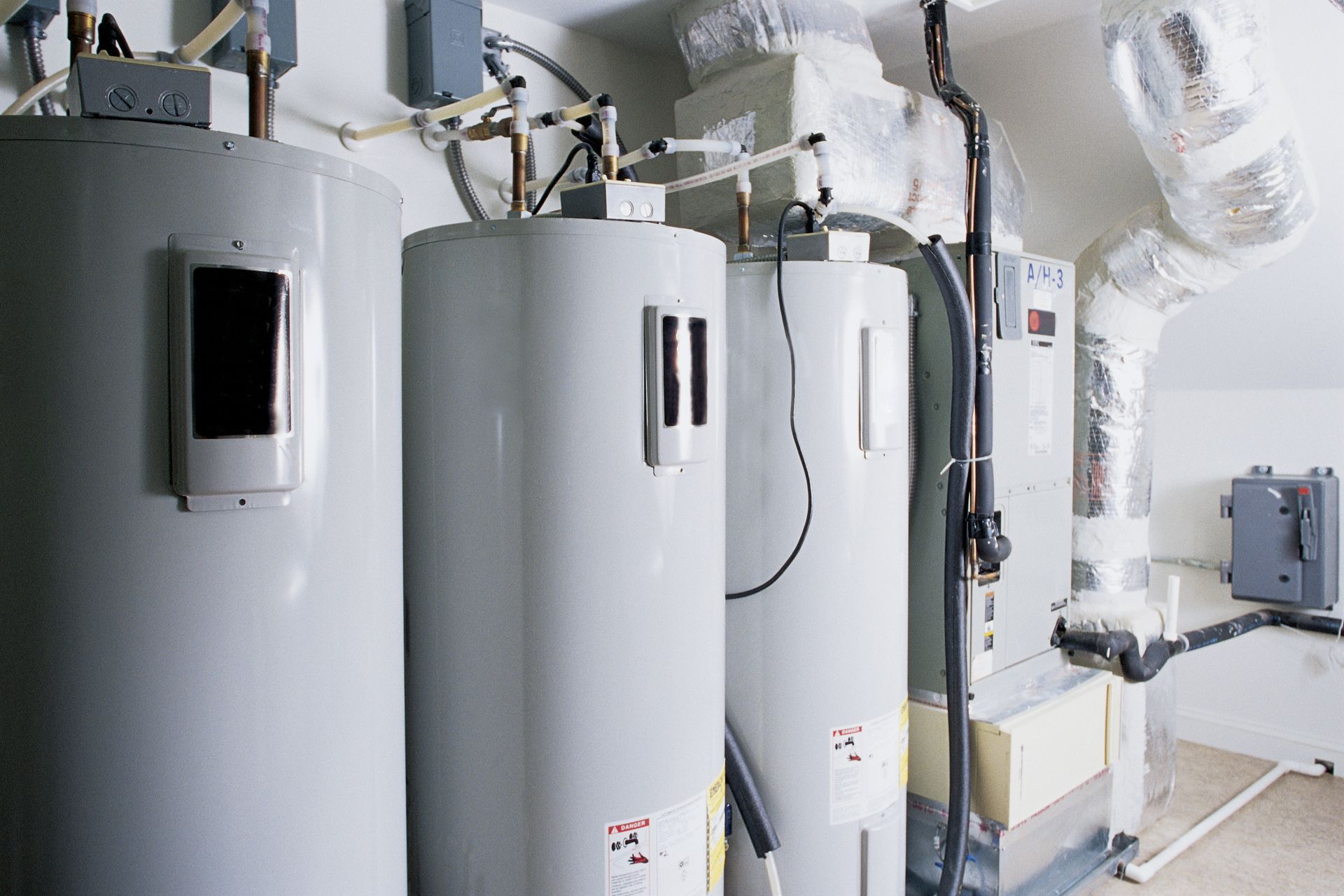
Reliable hot water is an essential part of everyday life, supporting everything from showers and laundry to dishwashing and household cleaning. When a water heater becomes unreliable, the effects can quickly disrupt a household's routine and create unnecessary frustration. Choosing professional water heater installation helps homeowners select an appropriate system and ensure it is fitted according to the manufacturer's requirements and applicable codes.
Proper installation also involves evaluating the home's hot water needs, available space, plumbing connections, and energy supply. Although replacing an existing unit may seem straightforward, several technical details can affect performance, safety, and long-term operating costs. An experienced plumbing professional can identify these considerations before work begins. Understanding the benefits of professional installation helps homeowners make informed decisions about maintaining a dependable hot water supply. With the right equipment and careful workmanship, a new system can provide reliable service for years to come.
Ensuring Proper System Sizing
Selecting the right water heater begins with understanding how much hot water a household uses throughout the day. A system that is too small may struggle when several people shower, run appliances, or use hot water simultaneously. An oversized unit, meanwhile, may cost more than necessary and increase energy consumption depending on its design and usage patterns. Professional water heater installation includes evaluating household size, peak demand, and the types of fixtures and appliances connected to the system. Plumbers can compare available tank and tankless models to determine which options fit the home's requirements. They can also consider recovery rates, flow rates, and other specifications that influence everyday performance. This assessment helps homeowners avoid choosing equipment based solely on price or advertised capacity. A properly selected unit can provide a more consistent hot water supply while supporting efficient household operation.
Improving Energy Efficiency
Water heating can account for a meaningful portion of a home's energy use, making equipment selection an important consideration. Modern systems vary in efficiency depending on their fuel source, technology, capacity, and operating conditions. During water heater installation, a professional can explain the differences between available models and identify options suited to the property's existing utilities. Efficient equipment may help reduce unnecessary energy use when it is correctly sized and installed. Proper connections and adherence to manufacturer specifications also help the system operate as intended. Homeowners should consider the purchase price alongside estimated operating expenses when comparing options. Insulation, temperature settings, household demand, and maintenance habits can influence overall energy performance as well. Choosing a suitable system can help balance reliable hot water access with long-term household energy costs.
Supporting Household Safety
Water heaters combine plumbing connections with heat and, depending on the model, electricity or combustible fuel. Incorrect installation can create problems involving leaks, electrical hazards, combustion, ventilation, or excessive pressure. Professional water heater installation helps address these risks by following applicable building codes and manufacturer instructions. A qualified plumber can verify that the connections, safety controls, and required discharge arrangements are appropriate for the equipment. Gas-powered units may require proper venting and fuel connections, while electric models need compatible electrical service. Temperature and pressure relief devices must also be installed and configured according to the relevant requirements. Homeowners should avoid attempting complex connections without the necessary training and authorization. Professional workmanship helps establish a safer foundation for the system's everyday operation.
Reducing the Risk of Water Leaks
Even a small water heater leak can damage flooring, walls, stored belongings, and nearby building materials if it goes unnoticed. Incorrect fittings, damaged connections, poor drainage arrangements, and other installation problems may increase the risk of water escaping. A professional plumber checks the plumbing connections and related components during water heater installation to help prevent avoidable problems. The installer can also assess the condition of existing supply lines and determine whether any related work is necessary. Suitable placement and access can make future inspections and servicing more manageable. Depending on the home's layout, a drain pan or other protective measures may also be appropriate. Homeowners should ask about leak detection and drainage options when discussing a replacement project. Careful installation can reduce the likelihood of water-related damage and provide greater confidence in the new equipment.
Preparing for Timely Replacement
Water heaters do not last indefinitely, and waiting until a unit fails completely can leave a household without hot water at an inconvenient time. According to This Old House, homeowners should consider replacing a water heater when it reaches approximately 10 to 15 years of age. Actual service life varies according to the model, water quality, maintenance history, and operating conditions. Signs such as recurring leaks, unusual noises, inconsistent temperatures, or rising energy bills may also indicate that an older unit needs professional evaluation. Planning water heater installation before a complete failure can give homeowners more time to compare options. It may also help reduce the likelihood of an emergency replacement during a busy period. A plumber can inspect the existing system and discuss whether repair or replacement is the more practical choice. Taking action at the right time helps households prepare for a dependable transition to new equipment.
Maintaining Consistent Hot Water
Few household inconveniences are as frustrating as running out of hot water during a shower or waiting for the system to recover between uses. These problems may result from inadequate capacity, equipment wear, incorrect settings, or other issues affecting performance. Professional water heater installation provides an opportunity to address the household's hot water requirements before selecting a replacement. A plumber can explain how different technologies handle simultaneous demand and whether the current setup meets the family's needs. Tank models store heated water, while tankless systems heat water as it passes through the unit, subject to their flow capacity. Each design has advantages and limitations that depend on the property's requirements. Correct installation and setup help the chosen equipment deliver the performance it was designed to provide. Evaluating usage patterns can therefore help homeowners choose a system that better suits their daily routines.
Protecting Plumbing System Compatibility
A new water heater must work with the home's existing plumbing and utility connections. Differences in equipment dimensions, pipe arrangements, fuel requirements, and electrical specifications can affect the installation process. A professional checks these details before beginning water heater installation to identify potential compatibility issues. Older homes may require updates to certain connections or other components to meet current requirements. The plumber can explain which changes are necessary and whether additional work should be included in the project plan. Properly installed shutoff valves and accessible connections can also support future maintenance. Homeowners should discuss any planned renovations or changes in household hot water demand before finalizing the equipment choice. Addressing compatibility early can help prevent unexpected complications and support reliable operation after installation.
Simplifying Future Maintenance
Routine maintenance can help homeowners identify developing problems and keep their water heating equipment operating appropriately. The required service depends on the model, manufacturer recommendations, local water conditions, and the system's operating environment. Professional water heater installation gives homeowners an opportunity to learn which maintenance tasks and inspections are recommended for their particular unit. A plumber can explain how to recognize warning signs, when professional servicing may be needed, and which tasks should not be attempted without proper training. Easy access to service components can also make future maintenance more convenient. Keeping installation documents and equipment details available can help technicians identify the correct parts and specifications later. Regular attention may help detect corrosion, sediment buildup, or other issues before they become more disruptive. Understanding the system's care requirements supports informed decisions throughout its service life.
A dependable water heater supports everyday comfort, efficient household routines, and reliable access to hot water. Professional installation helps homeowners select suitable equipment, address safety requirements, and prepare for long-term maintenance. M & E Plumbing Service Inc can help you evaluate your home's hot water needs and explore appropriate installation or replacement options. Contact us to discuss your water heater project and arrange professional assistance for your home.