September 4, 2026
Sump pump services play a vital role in averting severe home flooding, offering homeowners peace of mind, especially during heavy rains or snowmelt. Dedicated sump pump maintenance ensures that your basement remains dry, minimizing the risk of costly water damage repairs. In regions where basement flooding is prevalent, an efficient sump pump stands as the first line of defense against potential water-related disasters.
Understanding Sump Pumps
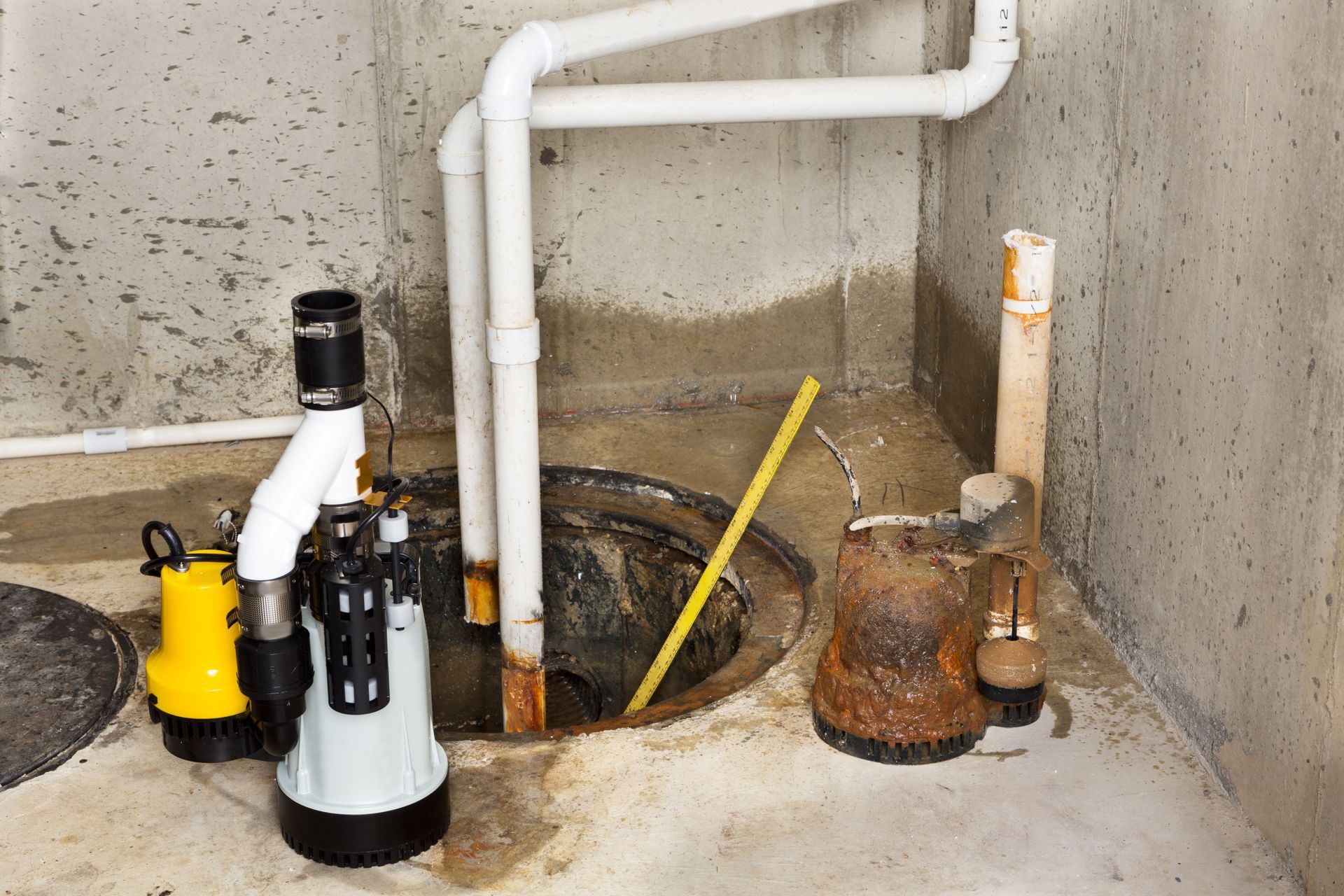
Sump pumps are essential devices specifically designed to divert water away from a building's foundation, thereby preventing flooding. They typically reside in a sump pit located in basements or crawl spaces and activate when water levels rise to a certain point. The integral function of a sump pump system is to collect and discharge water safely away from your home, protecting it from water damage. As water accumulates in the sump basin, the pump kicks into action, moving the water through pipes to a drainage area. Understanding its basic functionality is crucial for homeowners seeking to mitigate flooding risks.
Sump pumps are crucial in areas prone to heavy rains or where the water table is high. The efficiency of these devices hinges on their ability to rapidly respond to rising water levels, which can prevent potentially devastating flooding. According to HomeGuide, drier areas might only require a 0.25 horsepower pump, whereas homes experiencing frequent flooding will need 0.33 to 0.5 horsepower to effectively pump water over longer distances. This variance highlights the importance of choosing the right pump based on regional needs and the severity of potential flooding. A properly sized pump ensures that water is managed efficiently, reducing stress on the device and prolonging its lifespan.
The mechanics of a sump pump involve two primary types: pedestal and submersible. Pedestal pumps have a motor mounted above the sump that drives a shaft connected to the impeller below, making it easier to access for repairs. Submersible pumps, on the other hand, are designed to operate underwater, offering quieter operation and efficiency. Homeowners must weigh the pros and cons of each type to determine which best suits their needs and budget. Energy considerations, space availability, and specific water intrusion patterns also play a pivotal role in this decision-making process.
Evaluating Advanced Features
Battery backup systems are critical additions to sump pumps, ensuring continued operation during power outages, which often coincide with severe storms and flooding conditions. These systems activate automatically when mains power fails, maintaining pump activity and preventing water damage during crises. Though they represent an additional investment, backup systems provide an essential safety net, safeguarding properties during critical events. Regular testing and maintenance of backup systems are vital to ensure their readiness and reliability during emergencies. Battery backup systems thus bolster overall sump pump effectiveness, offering peace of mind for homeowners during unpredictable weather events.
Investing in a reliable battery backup system requires evaluating several considerations, including battery lifespan, charging mechanisms, and integration compatibility with existing sump systems. Gel and lead-acid batteries are common choices, each offering distinct advantages: gel batteries offer longer service lives, while lead-acid batteries present cost-effective solutions. Homeowners must weigh these differences to select backup systems tailored to their environmental challenges and budget constraints. Regular maintenance is essential in prolonging battery effectiveness, requiring periodic inspections and charges. The ability to choose an appropriate battery backup option reinforces sump pump capabilities, safeguarding homes while enhancing system resilience.
Battery backup systems' significance within sump pump configurations cannot be understated, offering critical protection against both typical and exceptional flooding events. They ensure continuous operation during power interruptions, eliminating pump downtime and diminishing flooding risks. Integrating backup systems aligns with preventative strategies, establishing multiple defense layers against water ingress. As part of a comprehensive sump system, battery backups elevate safety standards and diminish property vulnerability during periods of unreliable power supply. Their inclusion strengthens mitigation measures, ensuring that sump pumps remain robust adversaries against potential water damage threats.
Maintaining System Integrity
Regular maintenance of a sump pump is paramount in averting premature failures and ensuring reliability during critical times. As these devices are often out of sight, it's easy for homeowners to forget regular checks. However, clogged or jammed pumps and defective components may result in operational failures, leaving homes vulnerable to flooding. Regular inspection helps identify these issues early, allowing for prompt remediation. By maintaining a consistent maintenance schedule, homeowners can ensure their sump pump remains a reliable line of defense against flooding.
The consequences of sump pump failure underscore the necessity for vigilance in maintenance practices. Failure often results from a combination of clogged intakes, burnt-out motors, and malfunctioning float switches. Each of these issues can be mitigated through periodic checks and cleaning, but neglect allows them to escalate into costly repairs or replacements. During power outages, the absence of a functional battery backup further compromises pump performance, potentially exacerbating flooding. Regular maintenance is thus a preventative measure, safeguarding against both minor malfunctions and catastrophic system failures.
Optimizing Operational Performance
Regular maintenance not only prevents failures but also guarantees that a sump pump performs optimally when needed. An effectively maintained pump operates efficiently, rapidly managing water ingress and minimizing disruption. Key performance metrics include the system's ability to activate swiftly, pump capacity relative to expected water volumes, and discharge effectiveness. Addressing any discrepancies between expected and actual performance during maintenance can rectify inefficiencies, ensuring a reliable, high-performing sump pump system. The longevity and functionality of these essential devices hinge on consistent upkeep and thorough inspections.
Optimal pump performance requires close attention to both mechanical components and associated systems. Regular testing of the float switch is vital, as a faulty switch can hinder prompt activation, undermining water management efficiency. Ensuring that discharge lines are free from obstructions and the sump pit remains clear of debris further bolsters system performance. Homeowners should also routinely test alarm systems to confirm they engage correctly, providing crucial early warnings. Proactive and comprehensive maintenance promotes excellent performance, optimizing the sump pump's ability to protect against flooding threats.
Professional guidance is instrumental in maintaining peak pump performance. Qualified technicians bring specialized tools and knowledge, capable of identifying nuanced performance issues and rectifying them effectively. Their expertise ensures that any adjustments are tailored to specific sump pump models and types, accommodating unique environmental challenges. This precision-driven approach harmonizes each mechanical component, optimizing overall system efficacy. By integrating professional services with routine maintenance, homeowners secure the best possible performance outcomes, ensuring their sump pumps remain resilient and efficient flood countermeasures.
Balancing Professional Services
When deciding between professional services and DIY maintenance, homeowners must weigh factors such as complexity, cost, and skill level. Simple tasks like debris removal, float switch testing, and basic inspections may be conducted by homeowners with minimal guidance. However, complex repairs or electrical work often necessitate professional expertise to ensure accuracy and safety. Cost savings from DIY efforts must be evaluated against the potential risks of improper repairs, which could lead to extensive damage and downtime. Understanding one's abilities and limits plays a crucial role in determining the suitability of DIY versus professional maintenance approaches.
Professional maintenance involves trained technicians performing comprehensive inspections and repairs, ensuring all components function cohesively. Technicians bear expert insights, efficient troubleshooting abilities, and the tools required to pinpoint and address nuanced mechanical or electrical issues. Their services include performance assessments, component replacements, and scheduled maintenance adherence, safeguarding sump pump reliability. While professional services entail costs, their detailed expertise ensures precise operation and enhanced pump lifespan, mitigating potential flood damage expenses. Employing professional aid provides peace of mind, ensuring the sump system operates at peak efficiency with minimal risk.
Taking defensive measures today ensures that your property remains structurally sound and completely dry during the heaviest storms. Proper installation, smart upgrades like battery backups, and continuous monitoring work together to create an impenetrable barrier against water damage. For more information about the services that we offer, reach out to our incredible team at A & E Plumbing Service Inc today!