October 5, 2026
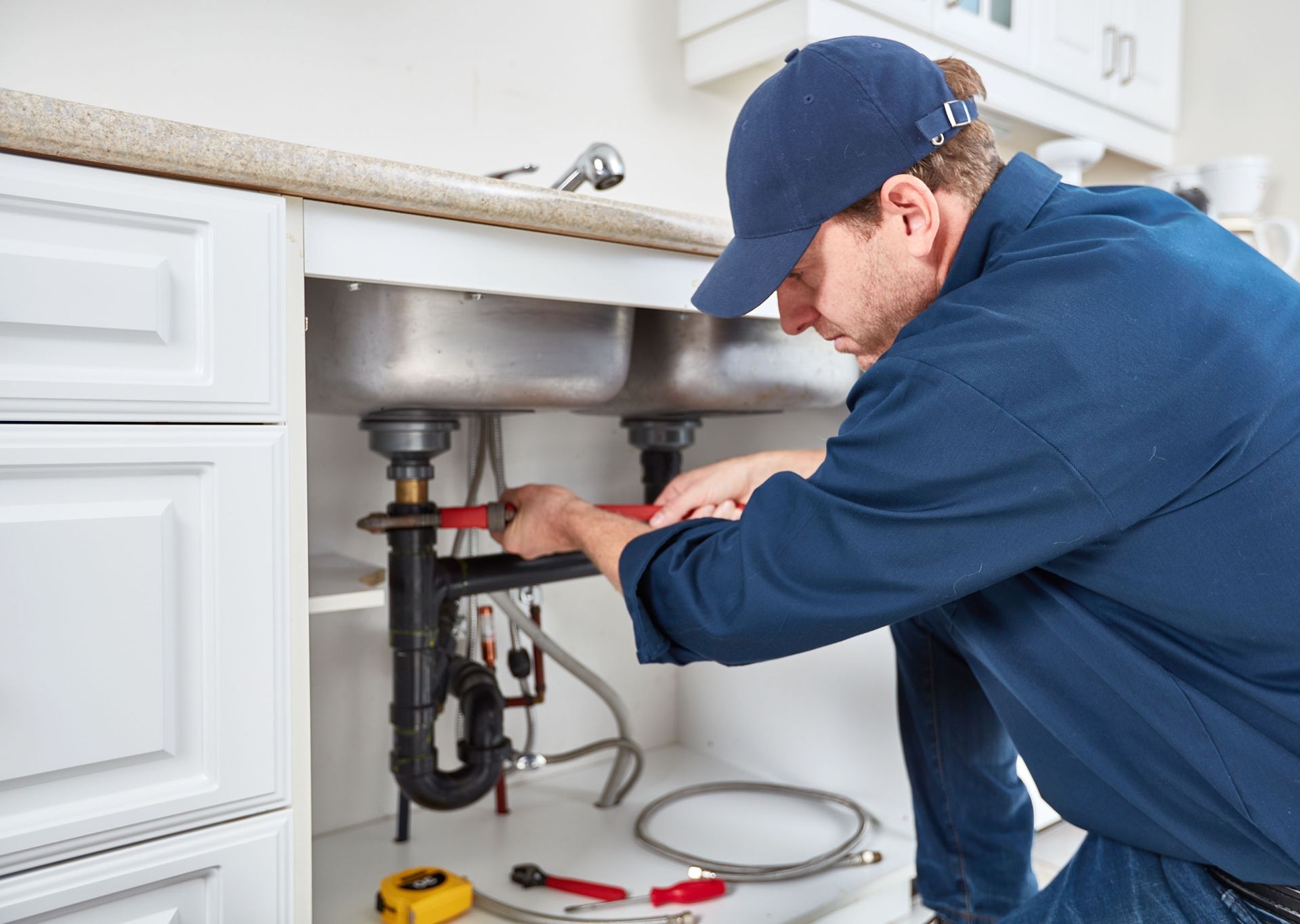
In today's do-it-yourself culture, many homeowners are tempted to tackle household maintenance independently, including drain cleaning. However, plumbing systems contain interconnected pipes and components that require careful handling. While simple household methods can sometimes resolve minor clogs, persistent blockages often require professional attention. Hiring a drain cleaning service provides access to specialized equipment, experienced technicians, and preventive maintenance solutions that help protect residential plumbing systems.
Understanding the differences between DIY methods and professional cleaning allows homeowners to make informed maintenance decisions. From identifying hidden blockages to preventing unnecessary repairs, professional assistance offers several advantages when dealing with complicated drainage problems. Recognizing when a drainage issue requires professional intervention can also prevent minor inconveniences from developing into significant household emergencies.
1. Understanding Complex Plumbing Systems
Residential plumbing systems consist of interconnected pipes, fixtures, and drainage lines that transport wastewater away from the home. These components vary in size, material, and configuration depending on the property's age and construction. Professional plumbers understand these differences and can select appropriate cleaning methods for each situation.
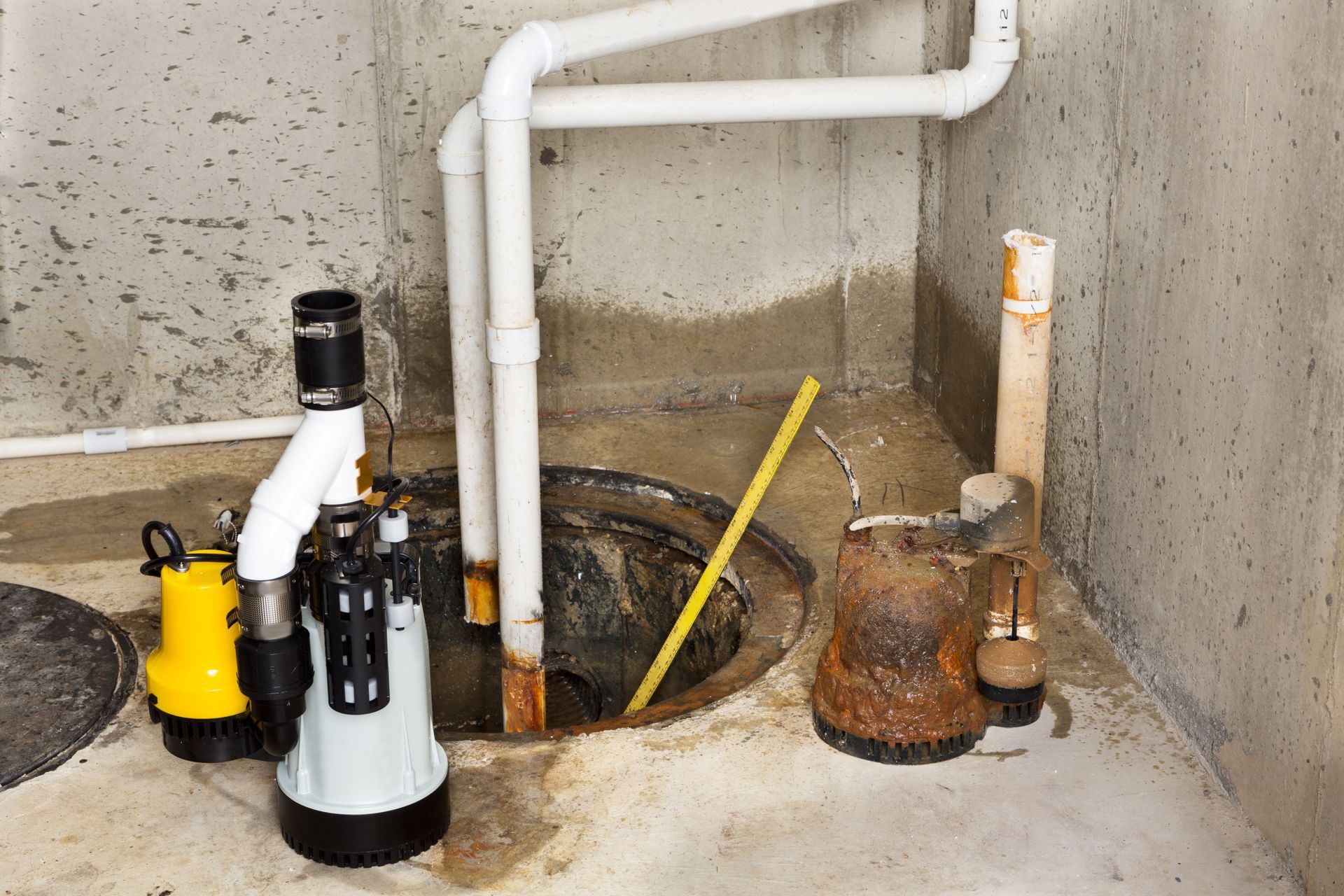
Older homes may contain cast iron or other aging pipes that require additional care. Newer properties may feature PVC piping with different maintenance requirements. An experienced drain cleaning service can evaluate the plumbing system before recommending a cleaning procedure, reducing the likelihood of accidental damage. Professionals also understand how pipe slopes, ventilation, and drainage connections influence wastewater movement. Their knowledge helps them recognize problems that homeowners might overlook during routine maintenance.
2. Identifying Underlying Drainage Problems
Recurring clogs frequently indicate problems that extend beyond ordinary household debris. Tree root intrusion, damaged sewer lines, grease accumulation, and deteriorating pipes can all contribute to persistent drainage issues. Clearing the immediate blockage without addressing its underlying cause may provide only temporary relief.
Professional technicians can investigate these conditions and determine whether additional repairs are necessary. Recognizing early warning signs, including unusual odors, gurgling noises, and slow drainage throughout multiple fixtures, helps homeowners address developing problems before they become more extensive. When several drains experience problems simultaneously, the obstruction may be located within a shared drainage line rather than an individual fixture. Identifying its location allows technicians to recommend a more targeted solution.
3. Using Advanced Cleaning Techniques
Professional plumbers have access to specialized techniques that address different types of blockages. Hydro jetting uses pressurized water to remove grease, sludge, and accumulated debris from suitable pipes. Mechanical drain augers can break apart or retrieve obstructions that ordinary household tools cannot reach.
Choosing the appropriate method depends on the blockage's location, severity, and the condition of the plumbing system. A professional drain cleaning service can determine whether mechanical cleaning, hydro jetting, or another procedure is appropriate. Technicians also assess whether existing pipe damage makes certain cleaning methods unsuitable. Selecting the correct equipment is particularly important when working with older plumbing systems, where excessive pressure or mechanical force could worsen existing deterioration.
4. Accessing Professional Drain Cleaning Equipment
Industrial-grade drain snakes and specialized cleaning equipment offer capabilities beyond those of standard household tools. Professional machines can reach deeper into plumbing systems and address stubborn obstructions that resist conventional plungers or handheld augers.
Video inspection cameras provide another important advantage. These devices allow technicians to examine accessible pipe interiors and identify cracks, accumulated debris, root intrusion, and other potential problems. Camera inspections can also help determine whether a blockage has been completely removed or additional work is required. Visual documentation provides homeowners with a clearer understanding of their plumbing system's condition and can help them make informed decisions about recommended repairs.
5. Reducing the Risks of DIY Drain Cleaning
Improper cleaning techniques can damage pipes, fixtures, and plumbing connections. Excessive force from a drain snake may worsen existing damage, while certain chemical drain cleaners can cause burns or create hazardous conditions when mixed with other substances.
Professional technicians use protective equipment and follow established procedures when handling wastewater and cleaning equipment. Hiring a drain cleaning service can reduce the risks associated with attempting complicated repairs without appropriate training. Homeowners should also avoid repeatedly applying chemical cleaners when a blockage remains unresolved. Chemical residues can remain inside obstructed pipes, creating additional hazards when plumbing components are opened or mechanical cleaning equipment is introduced. Informing technicians about previously used cleaning products helps them take appropriate precautions.
6. Understanding Different Types of Drain Blockages
Different household drains accumulate different materials. Kitchen sinks commonly develop blockages from grease, food particles, and cooking residue. Bathroom drains frequently collect hair, soap residue, and personal care products, while laundry drains may become obstructed by lint and detergent buildup.
Outdoor drainage systems and main sewer lines present additional challenges, including sediment accumulation and tree root intrusion. Professional plumbers evaluate the affected drain and select cleaning methods suited to its particular configuration. This targeted approach helps remove obstructions while minimizing unnecessary disruption to surrounding plumbing components. Understanding the materials responsible for each blockage also allows homeowners to adopt preventive habits that address the specific problems affecting their household.
7. Preventing Recurring Drainage Problems
Recurring blockages can disrupt daily routines and indicate unresolved plumbing problems. Professional cleaning removes accumulated debris and provides an opportunity to identify conditions that contribute to repeated clogs.
According to Modernize, having drains professionally cleaned every one to two years can help prevent costly emergency plumbing repairs. However, the appropriate maintenance schedule depends on household usage, pipe condition, and previous drainage problems.
Scheduling a drain cleaning service when persistent warning signs appear can help homeowners address developing problems before wastewater backs up into sinks, showers, or other fixtures. Technicians may also recommend practical maintenance habits based on the property's plumbing configuration. Keeping records of previous blockages and maintenance appointments can help identify recurring patterns and determine whether additional inspections are necessary.
8. Saving Time and Avoiding Unnecessary Expenses
Repeated DIY cleaning attempts can consume considerable time without resolving the underlying problem. Purchasing multiple cleaning products or renting unfamiliar equipment may also create additional expenses, particularly when a blockage requires specialized attention.
Professional technicians can assess the situation and recommend an appropriate solution. Identifying the source of a blockage early may prevent unnecessary cleaning attempts and help homeowners avoid additional plumbing damage.
Although professional cleaning involves an initial expense, addressing persistent problems promptly can reduce the likelihood of more extensive repairs. Homeowners should request information about inspection fees, cleaning procedures, and potential additional charges before authorizing work. Comparing written estimates and understanding the proposed cleaning methods can also help property owners select services that meet their maintenance needs and budgets.
9. Maintaining Plumbing Safety and Compliance
Professional plumbers understand applicable plumbing requirements and established safety procedures. While routine drain cleaning generally differs from major plumbing alterations, additional repairs may require compliance with local codes and permit regulations.
Experienced technicians can recognize when damaged pipes, improper connections, or other conditions require further attention. They also use appropriate protective equipment when handling contaminated wastewater and operating mechanical cleaning tools.
Choosing a qualified drain cleaning service provides homeowners with access to technicians who can evaluate these concerns and explain when additional plumbing work may be necessary. Verifying licensing requirements and asking about insurance coverage are useful steps when selecting a contractor. Homeowners should also discuss the expected scope of work and request clarification about any recommended repairs before proceeding.
10. Protecting Long-Term Plumbing Performance
Maintaining clear drains supports reliable wastewater removal and helps reduce disruptions to everyday household activities. Professional inspections can identify developing problems, while appropriate cleaning removes accumulated materials that interfere with normal drainage.
Hiring a drain cleaning service offers homeowners access to specialized knowledge, diagnostic equipment, and cleaning methods suited to their plumbing systems. Combining professional assistance with responsible household maintenance can help preserve pipe condition, reduce recurring blockages, and support dependable drainage throughout the home. Contact our team at M & E Plumbing Service Inc today and learn more about our plumbing services.